


 English
 Spanish
 French
 German
 Italian
 Chinese (Simplified)
 Japanese
 Korean
 Arabic
 Portuguese

 Send Inquiry
Flow Cup Viscometers
Price 1280 INR/ Piece
MOQ : 10 Pieces
Flow Cup Viscometers Specification
- Shape
- Cylindrical Funnel
- Accuracy
- 2% of full scale
- Features
- Portable, easy to clean, smooth finish, corrosion resistant
- Temperature Resistance
- Up to 100C
- Control Type
- Manual
- Usage
- Use For Industrial
- Type
- Viscometers
- Dimension (L*W*H)
- Varies with model (usually compact handheld size)
- Product Type
- Viscometers
- Equipment Type
- Laboratory Viscometer
- Equipment Materials
- Stainless Steel/Aluminium
- Power
- Manual (Non-electric)
- Material
- Mild steel powder coated
- Application
- Good Working
- Capacity (Ltr)
- Typically 0.1 to 0.2 Ltr
- Usage
- Field and laboratory use
- Orifice Diameter
- Available in different diameters (commonly 2mm, 3mm, 4mm, etc.)
- Model Variants
- Ford Cup, Zahn Cup, DIN Cup, ISO Cup, etc.
- Finish
- Polished surface
- Cleaning Method
- Rinse with solvent or water after use
- Measuring Range
- 15-500 cSt (varies by cup number/type)
- Compliance Standard
- Conforms to IS, ASTM D1200, ASTM D5125, BS 3900 standards depending on model
- Cup Holder
- Supplied with support stand or handle (as per model)
- Weight
- Approx. 200-300g (excluding stand)
Flow Cup Viscometers Trade Information
- Minimum Order Quantity
- 10 Pieces
- Payment Terms
- Cash in Advance (CID), Cash Advance (CA)
- Supply Ability
- 10 Pieces Per Day
- Delivery Time
- 1 Week
- Main Domestic Market
- All India
About Flow Cup Viscometers
Flow Cup Viscometers
It consists of a cup having different viscosity range. It is used for measuring the viscosity of paints, varnishes, lacquers and other viscous products, complete with stand. As per I.S. specifications
Ranges that are available are:
upto 0.5 (for spirit lacquers), 0.5-1.2 (Heavy liquids), 0.8-2.5 (Heavy liquids), 1.5- 5.0 (Heavy liquids) , 6.0 (Heavy liquids)
Versatile Industrial Applications
Flow Cup Viscometers are designed to meet the stringent needs of a range of industries for measuring liquid viscosity. Their compatibility with widely recognized standards, such as IS, ASTM D1200, D5125, and BS 3900, ensures suitability for quality control in manufacturing, laboratory research, and material analysis.
Robust and Precise Construction
Made from premium stainless steel or aluminum with a powder-coated finish, these viscometers offer excellent resistance to corrosion and high temperatures up to 100C. Their polished surfaces and precisely engineered orifices contribute to a 2% accuracy of full scale, supporting reliable and repeatable results.
Effortless Operation and Maintenance
These viscometers are manually operated-requiring no electricity-making them easy to use, portable, and convenient for on-site or laboratory testing. After use, cleaning is simple with a quick rinse using solvent or water, ensuring minimal downtime and low maintenance requirements.
FAQ's of Flow Cup Viscometers:
Q: How do I use a Flow Cup Viscometer to measure viscosity?
A: To measure viscosity, fill the flow cup with the test liquid up to the specified mark. Allow the liquid to flow through the orifice, timed from the moment it starts until the flow breaks. The time taken correlates with the viscosity, which can then be matched against calibration charts according to standards like ASTM D1200 or ISO.Q: What types of Flow Cup Viscometers are available and how do I select the right model?
A: Common variants include Ford, Zahn, DIN, and ISO cups, each conforming to different industry standards and offering various orifice diameters (2mm, 3mm, 4mm, etc.). The appropriate model depends on the viscosity range needed, required standard compliance, and intended application.Q: When should I clean the viscometer and what is the recommended process?
A: Cleaning should be performed immediately after each use to prevent residue build-up, which can affect accuracy. Simply rinse the cup and orifice thoroughly with an appropriate solvent or water, then dry before storing.Q: Where are Flow Cup Viscometers best utilized?
A: These viscometers are widely used in industrial laboratories, quality control departments, paint manufacturing, and any environment where rapid, reliable viscosity measurement is essential. Their portability and manual operation make them suitable for both field and lab settings.Q: What are the benefits of using a Flow Cup Viscometer in my process?
A: Benefits include quick and accurate viscosity determination, compliance with international standards, portable design for on-site testing, easy manual operation, and simple maintenance. Their durable construction ensures long-term reliable service with minimal downtime.Q: How accurate are these viscometers and what is their temperature resistance?
A: Flow Cup Viscometers offer an accuracy of 2% of full scale, ensuring dependable measurements. They are temperature resistant up to 100C, making them suitable for a wide range of testing environments.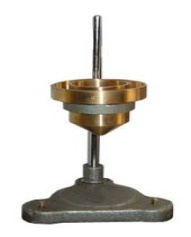
Tell us about your requirement

Price:
Quantity
Select Unit
- 50
- 100
- 200
- 250
- 500
- 1000+
Additional detail
Mobile number
Email

More Products in Laboratory Equipments Category
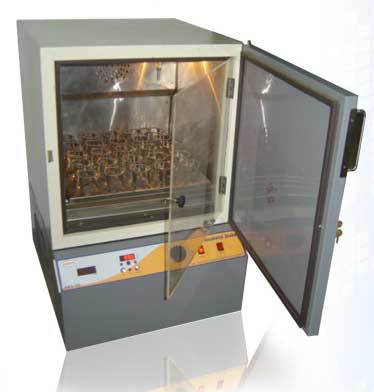
Orbital Shaker Incubator
Price 93600 INR / Piece
Minimum Order Quantity : 10 Pieces
Material : Mild steel powder coated
Usage : Use For Industrial
Voltage : 220V AC, 50 Hz
Product Type : Shaker Incubator

Rectangular Centrifuge Machine
Price 1300 INR / Piece
Minimum Order Quantity : 10 Pieces
Material : Mild Steel
Usage : Use For Hospital
Voltage : 220 Volt (v)
Product Type : Machine
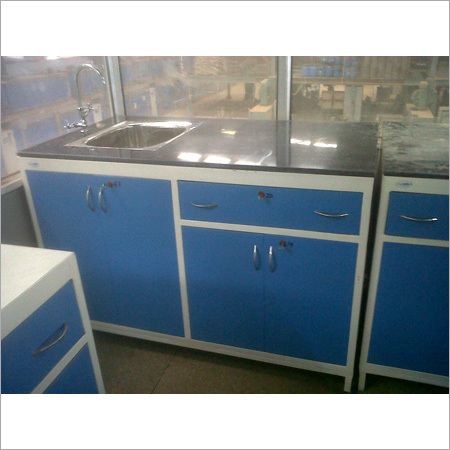
Laboratory Workbench
Price 50000 INR / Piece
Minimum Order Quantity : 10 Pieces
Material : Mild Steel
Usage : For Laboratory
Voltage : 230 V
Product Type : Workbench
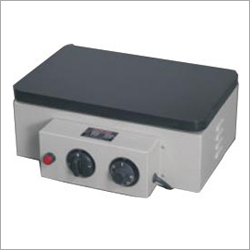
Hot Plate Rectangular
Price 1540 INR / Piece
Minimum Order Quantity : 10 Pieces
Material : Mild steel powder coated
Usage : Use For Industrial
Voltage : 220240 V AC, 50/60 Hz
Product Type : Hot Plate Rectangular


|

LABSOUL INDIA
GST : 06ALDPM6316K1Z1
GST : 06ALDPM6316K1Z1
Contact Details

- No. 20/B, Old Tribune Colony, Gate No. 5,Ambala Cantt - 133001, Haryana, India
- Phone :08045477371

- Mr. Mohit Mittal (Proprietor)
- Mobile :08045477371
- Send Inquiry
 Send Inquiry
 Send Inquiry
 Send SMS
 Call Me Free
LABSOUL INDIA
All Rights Reserved.(Terms of Use)
Developed and Managed by Infocom Network Private Limited.
Developed and Managed by Infocom Network Private Limited.

