


 English
 Spanish
 French
 German
 Italian
 Chinese (Simplified)
 Japanese
 Korean
 Arabic
 Portuguese

 Send Inquiry
Anaerobic Culture Jar
Price 11775 INR/ Piece
MOQ : 10 Pieces
Anaerobic Culture Jar Specification
- Glass Type
- Borosilicate or polycarbonate (depending on model)
- Temperature Resistance
- Up to 120C autoclave safe
- Features
- Leak-proof lid with silicon/gasket seal, pressure release valve, carrier for catalyst or gas pack, easy visibility, autoclavable, and corrosion resistant
- Power Supply
- Not required (standard jar)
- Control Type
- Manual anaerobic environment control
- Heating Capacity
- Usually not applicable; jar is not heated unless using heated catalyst
- Shape
- Cylindrical
- Usage
- Use For Industrial
- Type
- Culture Jar
- Dimension (L*W*H)
- 310 mm x 200 mm x 200 mm approx.
- Product Type
- Culture Jar
- Equipment Type
- Culture Jar
- Equipment Materials
- Stainless steel/Polycarbonate lid; glass or polycarbonate body
- Power
- Not required for basic jar; some models may need optional gas generator accessories
- Voltage
- Not applicable (unless using an optional heating base or catalyst activation)
- Material
- Steel
- Application
- Good Working
- Capacity (Ltr)
- 3.5 to 5 liters (commonly 3.5 L)
- Gas Inlet/Outlet Ports
- Provided with secure sealing
- Maximum Pressure Resistance
- Up to 1.5 kg/cm2
- Compliance
- Meets laboratory safety and quality standards
- Indicator Strip Provision
- Yes, for redox indicators like methylene blue
- Sample Holding Capacity
- 12-16 Petri dishes (90 mm)
- Usage Environment
- Microbiology, clinical, research, and diagnostics laboratories
- Catalyst Holder
- Provided for palladium catalyst
- Sterilization Method
- Autoclavable at 121C
- Jar Lid Closure
- Clamp type with pressure release valve
Anaerobic Culture Jar Trade Information
- Minimum Order Quantity
- 10 Pieces
- Payment Terms
- Cash in Advance (CID), Cash Advance (CA)
- Supply Ability
- 10 Pieces Per Day
- Delivery Time
- 1 Week
- Main Domestic Market
- All India
About Anaerobic Culture Jar
Anaerobic Culture Jar
BTL type : Modified MCINTOSH and fildes pattern, all metal construction consisting of a stainless steel jar with a top flange recessed for a torodial rubber sealing ring and a cover held in place by a strong bridge clamp. The cover is fitted with two needle valves for evacuation and a sachet containing a catalyst. A side arm on the jar is provided for connecting to semi solid lucas indicator. (The jar is supplied without semi solid lucas indicator). With pressure cum vaccum guage.
Polycarbonate Jar type : Modified MCINTOSH and flides pattern, for the safe growth of anaerobes by utilising a catalyst which is active above tightening 0 deg. celcius. The heavy polycarbonate jar 23 cm high and 15 cm dia has top surface ground flat and the metal cover fitted with a toro dial sealing ring is held in place by hand tightening only. The cover is fitted with two needle valves for evacuation and filling, and a sachet containig the catalyst pressure guage.
Superior Pressure Resistance & Safety
Engineered to withstand internal pressures up to 1.5 kg/cm2, this culture jar incorporates a secure clamp-type lid and a silicone/gasket seal. Pressure release valves and robust construction minimize risks associated with anaerobic cultivation, ensuring reliable operation for microbiological, clinical, and industrial applications.
Efficient Oxygen-Free Cultivation
The integrated catalyst holder, suitable for palladium use, expedites oxygen removal, while supplied gas inlet/outlet ports guarantee airtight environments. An indicator strip holder enables continual monitoring of anaerobic conditions with redox indicators, ensuring experimental consistency and validity.
User-Friendly & Versatile Design
With a spacious capacity supporting up to 16 Petri dishes and autoclavable, corrosion-resistant materials, the jar is ideal for repeated use. No power connection is required for standard use, and setup and maintenance are streamlined for industry, research, and diagnostics laboratories alike.
FAQ's of Anaerobic Culture Jar:
Q: How does the anaerobic culture jar create and maintain an oxygen-free environment?
A: The jar utilizes a secure sealing system with gas-tight inlet/outlet ports and a clamp-type lid with gasket. When a palladium catalyst and gas pack are added, remaining oxygen is chemically absorbed, making the interior fully anaerobic. Indicator strips verify when the proper environment is achieved.Q: What is the process for sterilizing the culture jar between uses?
A: The culture jar is autoclavable and can be sterilized at 121C. Simply disassemble parts as required, load into an autoclave, and run the appropriate sterilization cycle. Materials such as stainless steel, borosilicate glass, or polycarbonate are all designed to withstand these conditions.Q: When should the catalyst holder and indicator strip be used?
A: The catalyst holder is used during every anaerobic run. Insert a palladium catalyst to accelerate removal of residual oxygen. Insert a redox indicator strip (like methylene blue) in the dedicated provision each run, to confirm when anaerobic conditions are present inside the jar.Q: Where can this anaerobic culture jar be used?
A: It is suitable for microbiology, clinical diagnostics, research, and industrial laboratories in settings ranging from hospitals to academic and pharmaceutical labs. Its design adheres to strict safety and quality standards, making it suitable for regulated environments.Q: What are the benefits of its pressure resistance and material selection?
A: High pressure resistance (up to 1.5 kg/cm2) enhances operational safety during anaerobic culture processes. The use of stainless steel and borosilicate/polycarbonate ensures corrosion resistance, repeat autoclavability, and visibility, thus promoting longevity and consistent performance.Q: How is the sample holding capacity determined, and what can it accommodate?
A: The jar typically holds 12-16 Petri dishes of 90 mm size, based on its internal dimensions (approximately 310 mm 200 mm 200 mm). This generous capacity supports parallel culturing or larger experimental series within a single run.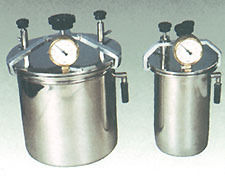
Tell us about your requirement

Price:
Quantity
Select Unit
- 50
- 100
- 200
- 250
- 500
- 1000+
Additional detail
Mobile number
Email

More Products in Laboratory Equipments Category

BOD Incubator
Price 30800 INR / Piece
Minimum Order Quantity : 10 Pieces
Application : Good Working
Usage : Use For Industrial
Product Type : Incubator
Material : Mild steel powder coated
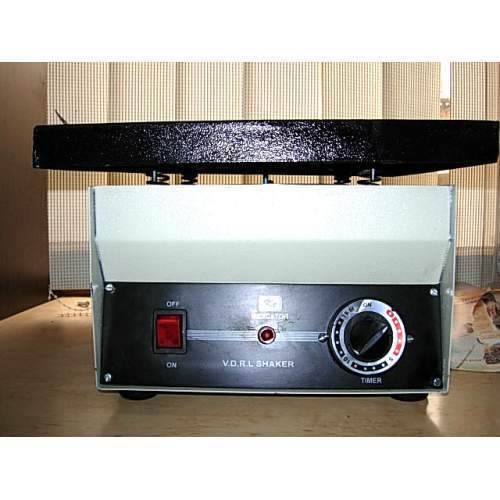
Vdrl Shaker
Price 3800 INR / Piece
Minimum Order Quantity : 10 Pieces
Application : Good Working
Usage : Use For Industrial
Product Type : VDRL Shaker
Material : Mild steel powder coated
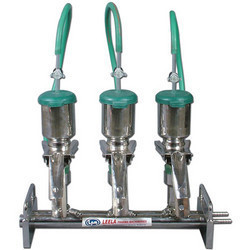
Vaccum Filter Holders
Price 3000 INR / Piece
Minimum Order Quantity : 10 Pieces
Application : Good Working
Usage : Use For Industrial
Product Type : Holders
Material : Steel

Centrifuge Machine ( Doctor / Handi type )
Price 1150 INR / Piece
Minimum Order Quantity : 10 Pieces
Application : Good working
Usage : Use For Industrial
Product Type : Machine
Material : Mild steel powder coated


|

LABSOUL INDIA
GST : 06ALDPM6316K1Z1
GST : 06ALDPM6316K1Z1
Contact Details

- No. 20/B, Old Tribune Colony, Gate No. 5,Ambala Cantt - 133001, Haryana, India
- Phone :08045477371

- Mr. Mohit Mittal (Proprietor)
- Mobile :08045477371
- Send Inquiry
 Send Inquiry
 Send Inquiry
 Send SMS
 Call Me Free
LABSOUL INDIA
All Rights Reserved.(Terms of Use)
Developed and Managed by Infocom Network Private Limited.
Developed and Managed by Infocom Network Private Limited.

