


 English
 Spanish
 French
 German
 Italian
 Chinese (Simplified)
 Japanese
 Korean
 Arabic
 Portuguese

 Send Inquiry
DIGITAL FRIABILITY TEST APPARATUS
Price 12000 INR/ Piece
MOQ : 10 Pieces
DIGITAL FRIABILITY TEST APPARATUS Specification
- Shape
- Rectangular body with cylindrical drum
- Glass Type
- Acrylic transparent drum
- Control Type
- Digital programmable control with preset timer
- Temperature Resistance
- Non-heating device
- Display Type
- LED Digital Display
- Accuracy
- 1 rpm
- Features
- Programmable timer, automatic stop, audible alarm after completion, easy cleaning
- Power Supply
- 230 V 10%, 50 Hz single phase
- Speed Range
- 20 - 60 rpm (programmable)
- Usage
- For Laboratory
- Type
- Digital Friability Test Apparatus
- Dimension (L*W*H)
- 230 X 250 X 540 Millimeter (mm)
- Product Type
- Apparatus
- Weight
- 9-10 Kilograms (kg)
- Equipment Type
- Tablet Testing Equipment
- Equipment Materials
- Mild steel powder coated body, transparent acrylic drum
- Power
- 15 W
- Voltage
- 230 V AC, 50 Hz
- Material
- Acrylic
- Application
- For testing friability & durability of tablets in pharmaceutical labs
- Capacity (Ltr)
- 2 x 1 Ltr Drums
- Noise Level
- < 50 dB
- Drum Material
- High-grade acrylic
- Safety Interlock
- Yes (auto stop on door opening)
- Compliance
- Meets USP, IP, and ASTM standards
- Number of Drums
- Two (single or dual drum operation selectable)
- Operating Environment
- 5C to 40C, non-condensing
- Rotation Accuracy
- 1 revolution
- Timer Range
- 1 - 99 minutes
- Weight
- Approx. 8.5 kg
- Drum Size
- Diameter 100 mm x 39 mm width
DIGITAL FRIABILITY TEST APPARATUS Trade Information
- Minimum Order Quantity
- 10 Pieces
- Payment Terms
- Cash in Advance (CID), Cash Advance (CA)
- Supply Ability
- 1000 Pieces Per Month
- Delivery Time
- 1 Week
- Main Export Market(s)
- Western Europe, Asia, North America, Eastern Europe, Middle East, South America, Central America, Australia, Africa
- Main Domestic Market
- All India
About DIGITAL FRIABILITY TEST APPARATUS
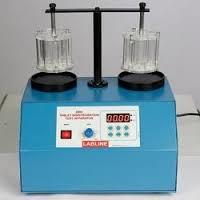
Digital Friability Test Apparatus is a precision instrument suitable for measuring oppression strength of tablets. The unit is equipped with two transparent acrylic drums which rotate at a speed of 25 ± 1 rpm. Each of the two acrylic drums are provided with an arm which carries the tablets along with it up to a predetermined height and allows them to fall from that specified height, while the drums are rotating, It is fitted with a digital revolution counter showing the current number of revolutions for the test. A thumb wheel switch is used to set the desired number of rotations. Provision is made to remove the lid of the acrylic drum by unscrewing just one knob. This is available in 1 drum and 2 drum assemblies.
Key Features:
Sturdy motor to drive drums at constant speed
Seven segment LED display
High-Grade Dual Drum Design
Equipped with two transparent acrylic drums, the apparatus allows both single and dual drum operation, providing versatility in laboratory procedures. The high-grade acrylic ensures durability while offering full visibility during testing. Each drum has precise dimensions (100 mm diameter x 39 mm width) and a capacity of 1 liter, making the device suitable for a range of sample sizes.
Advanced Digital Controls
A programmable LED digital display offers convenient control of test parameters, including speed (20-60 rpm) and timer (1-99 minutes). The preset timer function, programmable rotation, and audible alarm streamline operations and enhance test accuracy. Automatic stop and a safety interlock ensure user safety by halting processes if the drum door is opened.
Optimized for Laboratory Standards
This apparatus meets USP, IP, and ASTM standards, ensuring compliance for pharmaceutical laboratories. Engineered for reliability, its mild steel powder-coated body ensures longevity, while its non-heating design allows safe operation in environments from 5C to 40C. Efficient tablet testing supports quality assurance and regulatory requirements for drug manufacturing.
FAQ's of DIGITAL FRIABILITY TEST APPARATUS:
Q: How does the digital friability test apparatus operate for tablet testing in laboratories?
A: The apparatus is designed to assess the friability and durability of pharmaceutical tablets. Tablets are placed inside the high-grade acrylic drum, and test parameters such as speed (20-60 rpm) and time (1-99 minutes) are set using the digital programmable controls. The device automatically rotates for the preset period while monitoring performance through the LED display.Q: What are the main benefits of using a programmable friability tester for pharmaceutical labs?
A: This digital apparatus offers precise control over test cycles, ensuring reproducible results. Its programmable timer, automatic stop function, audible alarm, safety interlock, and easy cleaning make it user-friendly and reliable. Compliance with major standards (USP, IP, ASTM) supports regulatory and quality assurance goals.Q: When should laboratories utilize both drums simultaneously in this apparatus?
A: Using both drums is recommended when laboratories need to test multiple samples or batches simultaneously, saving time and improving efficiency during high-throughput analysis or comparative studies.Q: Where is this friability test apparatus primarily utilized, and by whom?
A: This equipment is primarily used in pharmaceutical laboratories by research scientists, quality control analysts, and production teams to evaluate the mechanical integrity of tablets. It is suitable for manufacturers, exporters, and suppliers across India and globally.Q: What is the process for ensuring safety during friability testing with this device?
A: The apparatus features a safety interlock system that stops operation automatically if the drum door is opened during testing. This prevents accidental exposure to moving parts and enhances laboratory safety practices.Q: How is the cleaning and maintenance of the digital friability test apparatus carried out?
A: The transparent acrylic drums and mild steel powder-coated body are designed for easy cleaning. After each use, remove any tablet debris and wipe the drums with a soft, non-abrasive cloth to maintain hygiene and ensure accuracy for subsequent tests.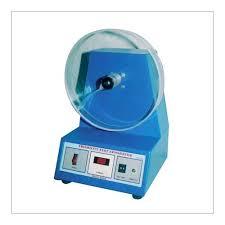
Tell us about your requirement

Price:
Quantity
Select Unit
- 50
- 100
- 200
- 250
- 500
- 1000+
Additional detail
Mobile number
Email

More Products in Analytical Instruments Category
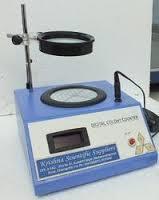
DIGITAL COLONY COUNTER
Price 6500 INR / Piece
Minimum Order Quantity : 10 Pieces
Application : Microbiology Laboratory, Colony Counting
Usage : For Laboratory
Type : Other, Digital
Material : Stainless steel
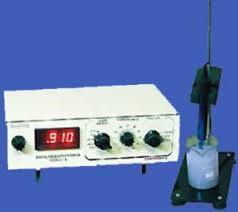
Digital Conductivity Meter ( Portable)
Price 6000 INR / Piece
Minimum Order Quantity : 10 Pieces
Application : Good Looking
Usage : Use For Industrial
Type : Other, CONDUCTIVITY METER
Material : Mild Steel
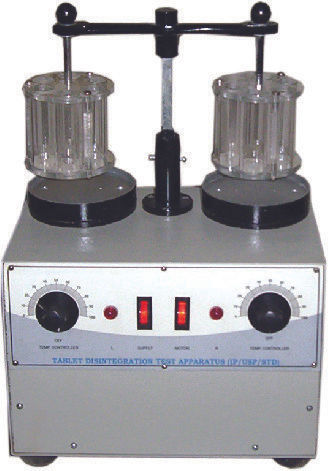
Tablet Disintegration Test Apparatus
Price 8500 INR / Piece
Minimum Order Quantity : 10 Pieces
Application : Good looking
Usage : Use For Industrial
Type : Other, TABLET DISINTEGRATION TEST APPARATUS
Material : Mild Steel
DIGITAL TABLET DISINTEGRATION MICROPROCESSOR CONTROLLED
Price 8500 INR / Piece
Minimum Order Quantity : 10 Pieces
Application : Good working
Usage : Use For Industrial
Type : Other, MICROPROCESSOR CONTROLLED
Material : Mild Steel


|

LABSOUL INDIA
GST : 06ALDPM6316K1Z1
GST : 06ALDPM6316K1Z1
Contact Details

- No. 20/B, Old Tribune Colony, Gate No. 5,Ambala Cantt - 133001, Haryana, India
- Phone :08045477371

- Mr. Mohit Mittal (Proprietor)
- Mobile :08045477371
- Send Inquiry
 Send Inquiry
 Send Inquiry
 Send SMS
 Call Me Free
LABSOUL INDIA
All Rights Reserved.(Terms of Use)
Developed and Managed by Infocom Network Private Limited.
Developed and Managed by Infocom Network Private Limited.

